From adverse weather to a defined and measurable weather event
For decades, commercial construction contracts relied on a simple phrase: "adverse weather." Site superintendents and project managers knew it by heart. The phrase covered anything from a week of rain to a surprise snowstorm. The idea was straightforward: if the weather made work impossible, the schedule could slide and the paperwork would follow.
But that old language came with headaches. Owners and contractors sparred over what counted as adverse. Was a drizzle enough to count? How much wind was too much? The lack of clear criteria led to disputes, delays in claims, and long email threads with lawyers and consultants.
In the last few years, contract drafters have started to move away from this broad brush. They are now writing weather clauses that define specific, measurable events. This approach relies on hard data, not just project diaries and memories. The trend is changing how jobs are bid, how risks are managed, and how delay claims are documented.
Keep reading: Dry Out Days: What Saturated Subgrade Costs an Earthwork Crew
Contracts that name one reporting station by its identifier
A major shift is the naming of a single weather reporting station in the contract itself. Instead of arguing over which weather source to trust, parties agree up front on the station that will be the reference point for all project weather. The identifier, often a five-character code such as KATL for Atlanta Hartsfield, is written into the agreement.
This gives everyone the same dataset, removing a long-running point of friction. The crew no longer has to dig up readings from a TV station or a handheld rain gauge. The owner cannot cherry-pick a drier report from another side of town. The National Weather Service or a recognized private provider supplies the data, and it stands as the project's official record.
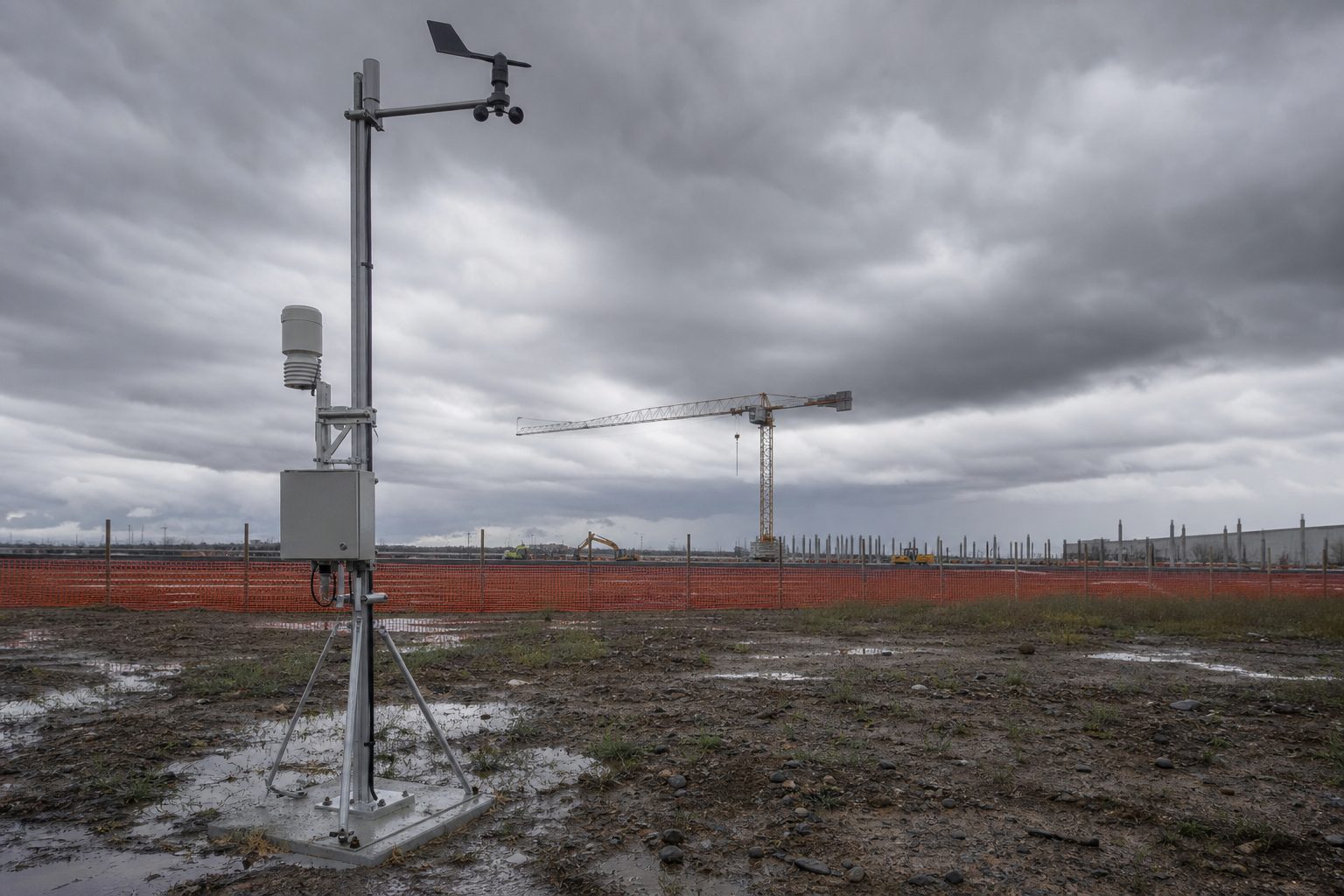
What matters here is proximity. Most contracts specify a station within a certain radius, usually within ten miles of the jobsite. Some owners will allow an on-site automated station, provided it meets a listed spec. The named station locks down the facts, but the selection process can be a negotiation of its own, especially in rural or mixed-use areas where stations are spread out.
Monthly anticipated day tables written straight into the schedule spec
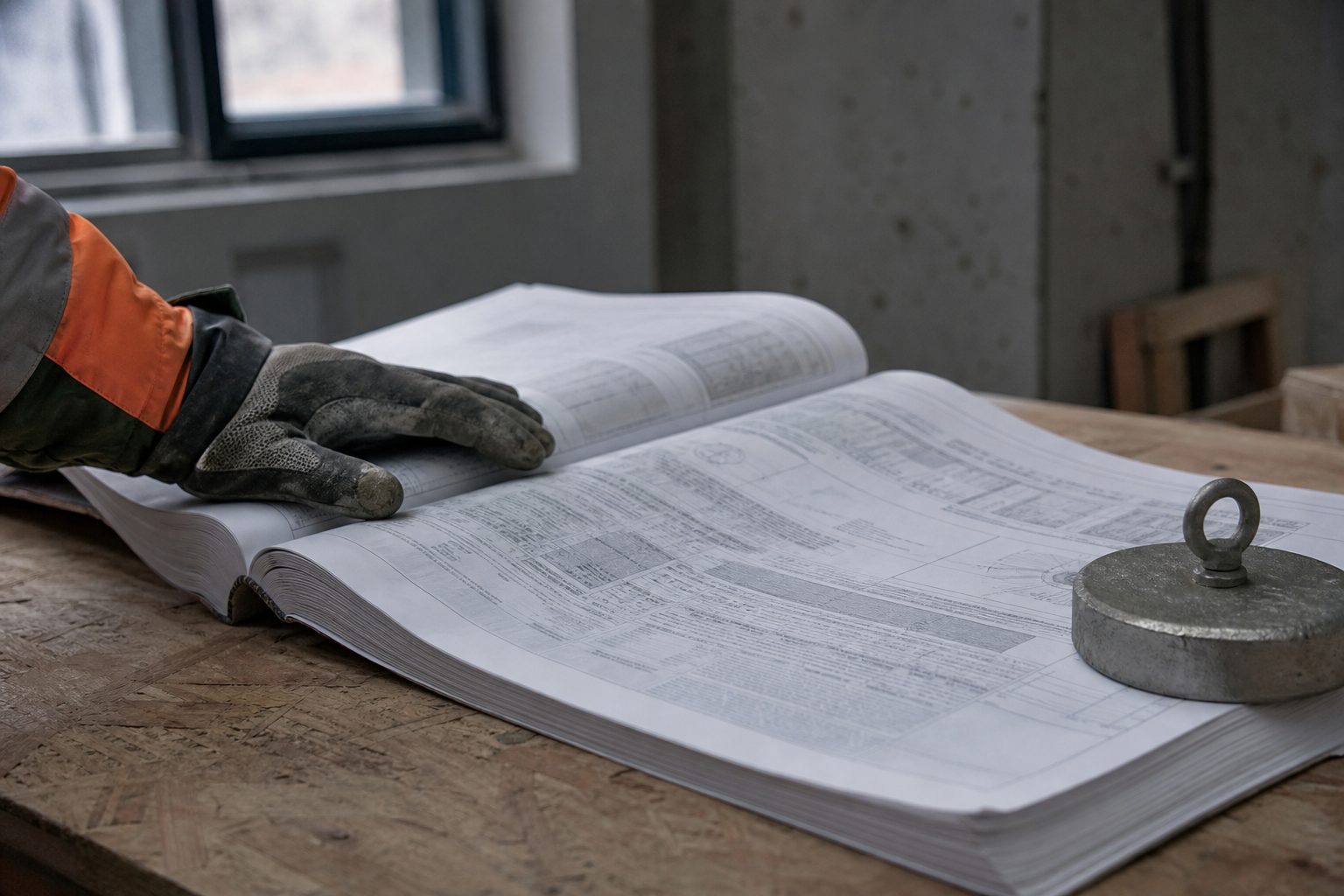
Another trend is the inclusion of "anticipated weather day tables" right in the schedule specification. These tables list, by month, the number of days expected to be lost to weather. The numbers are not estimates from the contractor, they are published by the owner, often based on thirty years of climate data from the chosen station.
The table might say five rain days in April, two in June, and so on. The schedule then bakes these into the logic: activities that must be outside get extra float, and the critical path adjusts accordingly. This approach can help both sides plan more realistically. The general contractor knows how many days are priced in. The owner knows the limits of excusable delay.
If actual weather days exceed the table, the delay is compensable. If the project burns through fewer than the table allows, the schedule holds. This method reduces the number of arguments over "typical" versus "exceptional" weather and gives both sides a clear baseline from the start.
Keep reading: How to Assemble a Weather Delay Claim Package, Section by Section
Electronic notice routed through the project management platform
Paper notice letters are fading out. Newer owner agreements often specify that delay notices must be submitted electronically, using the project's management platform. The wording is tight: notices must be logged within a certain number of hours after the event and routed to a designated group, not just a single inbox.
This change affects how superintendents and office staff handle weather documentation. The process is now systematized: the daily log, weather data, and photos are uploaded, and the platform timestamps the notice. This makes the record hard to dispute later.
Some platforms integrate directly with weather feeds, allowing auto-population of daily site logs. Others require manual entry, but the expectation is the same. If the delay notice is not in the system, it did not happen, no matter what the superintendent's notebook says.
This electronic trail streamlines review but also shortens the timeline for submitting claims. Staff must be trained to recognize delay triggers, assemble documentation quickly, and follow the electronic route exactly. A missed click or late upload can mean a lost claim.
Shorter windows and the daily report as the primary evidence
With electronic systems in place, the window for submitting weather delay claims is shrinking. Some contracts set a deadline of 24 hours after the weather event. Others allow 48 hours, but the days of waiting until the end of the month to catch up on paperwork are gone.
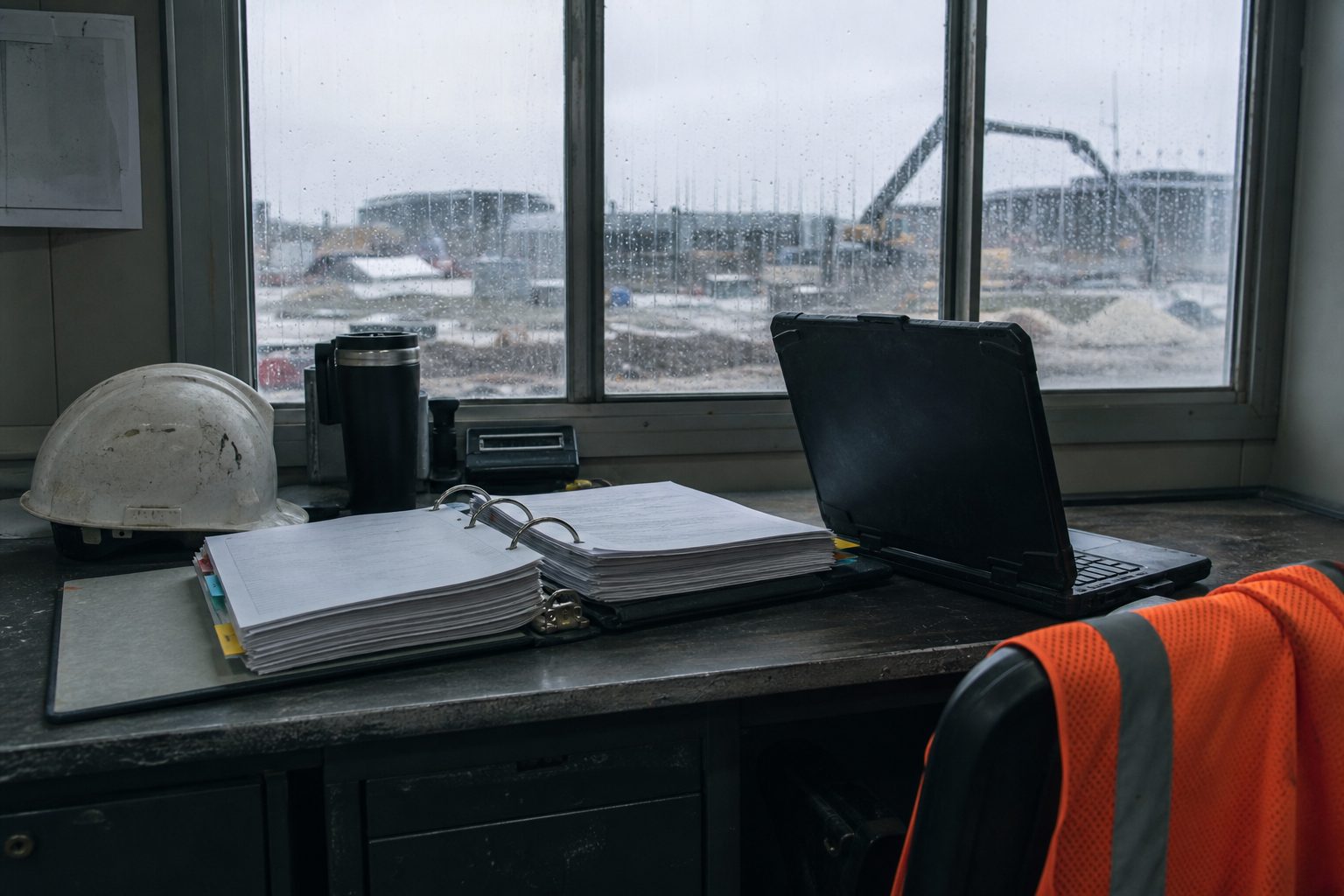
Owners now expect the daily report to serve as the main piece of evidence. This report must tie the weather condition to the specific impact on work: for example, "concrete pour delayed due to surface water" or "roofing crew stood down for wind gusts above 35 mph." Generic notes like "rain day" are no longer enough.
Photos, time-stamped weather readings, and crew logs are all standard attachments. Many project management platforms require these uploads before the notice can be submitted. The result is a more defensible but also more demanding documentation process.
Teams that build habits around same-day reporting and digital documentation are finding fewer disputes later. The new process demands discipline, but it also gives the contractor a stronger hand in negotiations.
See how RainDelayLog handles this for commercial construction
Dry out and site access appearing as their own separate provisions
A newer wrinkle is the division of weather impacts into separate provisions for "dry out" and "site access." In older contracts, weather delay was a blanket term. Now, owners are specifying what counts as a true weather delay and what is considered routine site management.
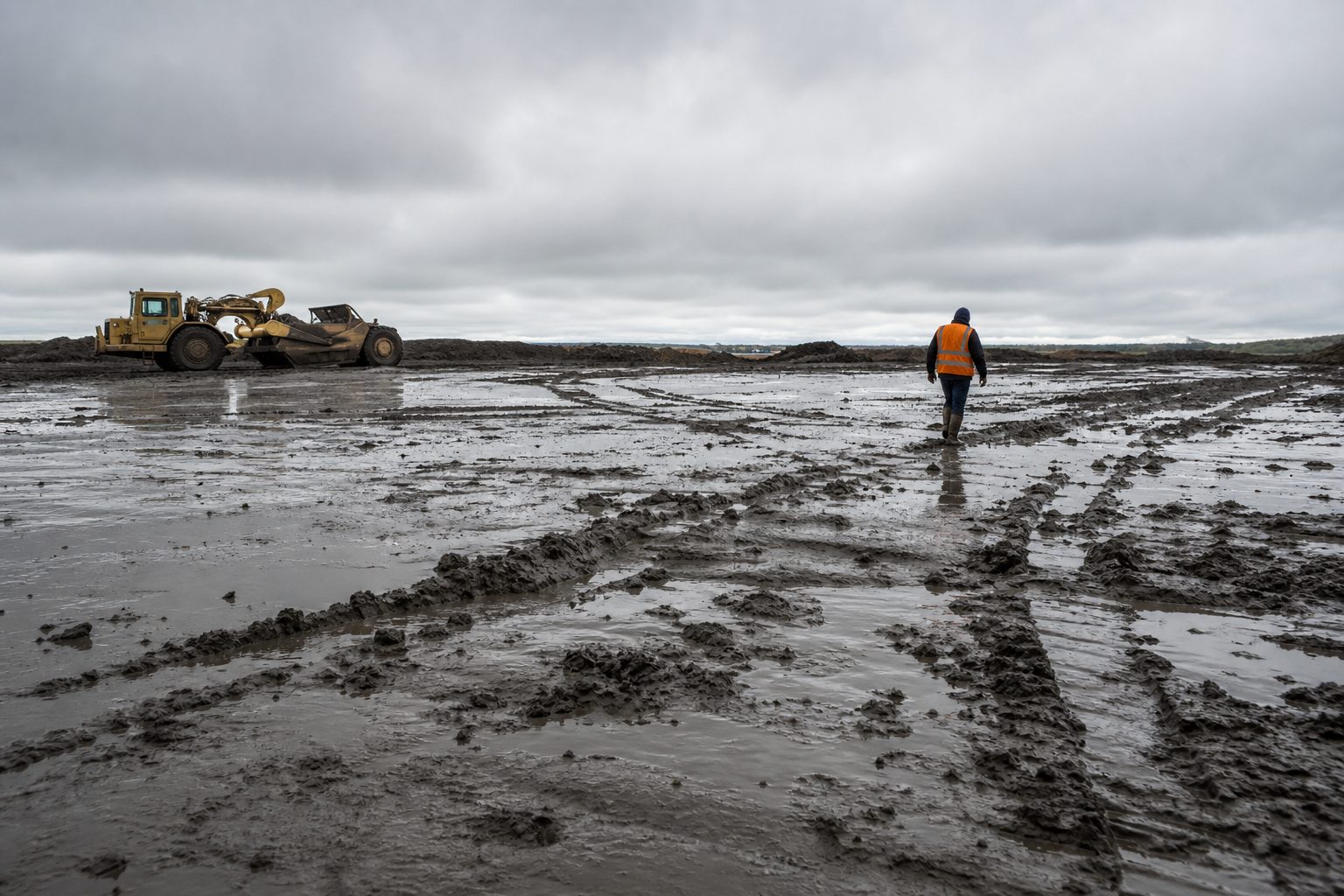
Dry out refers to the time needed after rain or snow for the site to become workable again. This might involve pumping water, spreading gravel, or waiting for surfaces to firm up. Some contracts allow a set number of dry out days per month, beyond which the contractor can claim excusable delay. Others treat dry out as a non-compensable event, arguing that it is a foreseeable risk.
Site access deals with the ability to bring in trucks, move cranes, or reach work areas after weather. Again, contracts may specify thresholds: for example, access is considered lost if the main haul road is impassable for more than four hours in a day. These details are now written into the schedule spec and must be tracked alongside weather events.
The split provisions require closer daily management. Field teams need to document not just the weather, but the specific effect on site conditions. This may mean more photos, more written detail, and a more granular tracking of lost time.
What the move to the 1991 to 2020 normals changed in baselines
A technical but important change is the shift in climate data baselines. Most owners now use the 1991 to 2020 "normals" published by the National Weather Service when setting anticipated weather days. This replaces the older 1981 to 2010 set, which many contracts used until a few years ago.
What does this mean on the ground? In many regions, the newer normals reflect more days of extreme weather. For example, parts of the Midwest now see higher averages for heavy rain days in May and June. In the Southeast, the number of high heat days in late summer has climbed. Some areas, especially in the West, show more variability in winter precipitation.
This affects baseline weather day tables, as the new normals can increase or decrease the number of days built into the schedule. Contractors need to pay attention to which set of normals the owner uses and understand the local trends. A one-day swing in the table can mean serious money over a long schedule.
Some owners update their tables annually as new normals are published. Others lock in the numbers at the time of bid. The contract should state which version is used, and bidders must check whether the table matches actual experience in the area.
How to price and staff a job when the weather clause is written tight
A more specific weather clause means less room for interpretation and, potentially, less cushion for the contractor. When the contract limits excusable weather days and ties delay claims to strict documentation, bidders must adjust their approach on both price and staffing.
Estimating for tighter weather days
The first step is to review the anticipated weather day table line by line. Compare the published days to your own site logs from nearby jobs. If the table is more optimistic than your records, consider whether to add contingency elsewhere in your bid. In some cases, the table may be generous, allowing for potential gains if the weather is better than average.
Be prepared to justify your assumptions. Owners are aware that contractors sometimes pad schedules for weather. With table-based clauses, there is less tolerance for padding outside the published days. The bid should explain how the planned float and sequencing account for the published weather days.
Staffing for documentation and notice
A tight clause means more documentation, not less. Assign someone on the project team, often the assistant superintendent or a dedicated field admin, to capture daily weather data, photos, and site impacts. Train the crew leads to note weather effects in their daily reports. Check that the project management platform captures all required information and that notices are routed correctly.
Consider the flow of information from field to office. If your platform supports automatic weather data capture, use it. If not, set a routine for pulling data from the named station and uploading it. Missing or late notices can mean lost days, and most owners will not make exceptions.
Managing risk and setting expectations
Review the contract language with your scheduler, project manager, and field staff before the job starts. Make sure everyone understands the requirements for weather delay claims, including deadlines, documentation standards, and the difference between compensable and non-compensable delays. Build a checklist for weather days and train the team to use it.
Expect more scrutiny from owners and third-party reviewers. Be ready to present a complete delay documentation packet if a claim arises. The packet should include daily reports, weather data from the named station, photos, and a description of the work affected. A well-documented claim stands a much better chance of approval under the new contract standards.
The move to defined stations, monthly tables, and electronic notice is not just a paperwork shift. It changes how risk is allocated and how work is scheduled. Contractors who invest in daily log tools with automatic weather capture and robust documentation features will be better positioned to meet the tighter standards in owner contracts, and to get paid for delays when the weather turns.