Excusable, compensable and the distinction that decides money
Every commercial project faces delays at some point, but not all delays are treated the same under contract. Distinguishing between excusable and compensable delays shapes whether a contractor simply gets more time or also receives additional money. Excusable delays are those outside a contractor's control, like severe weather or government actions, and usually entitle the contractor to extra days but not extra dollars. Compensable delays are caused by the owner or their agents, such as late design changes or site access issues, and can result in both time and financial adjustments.
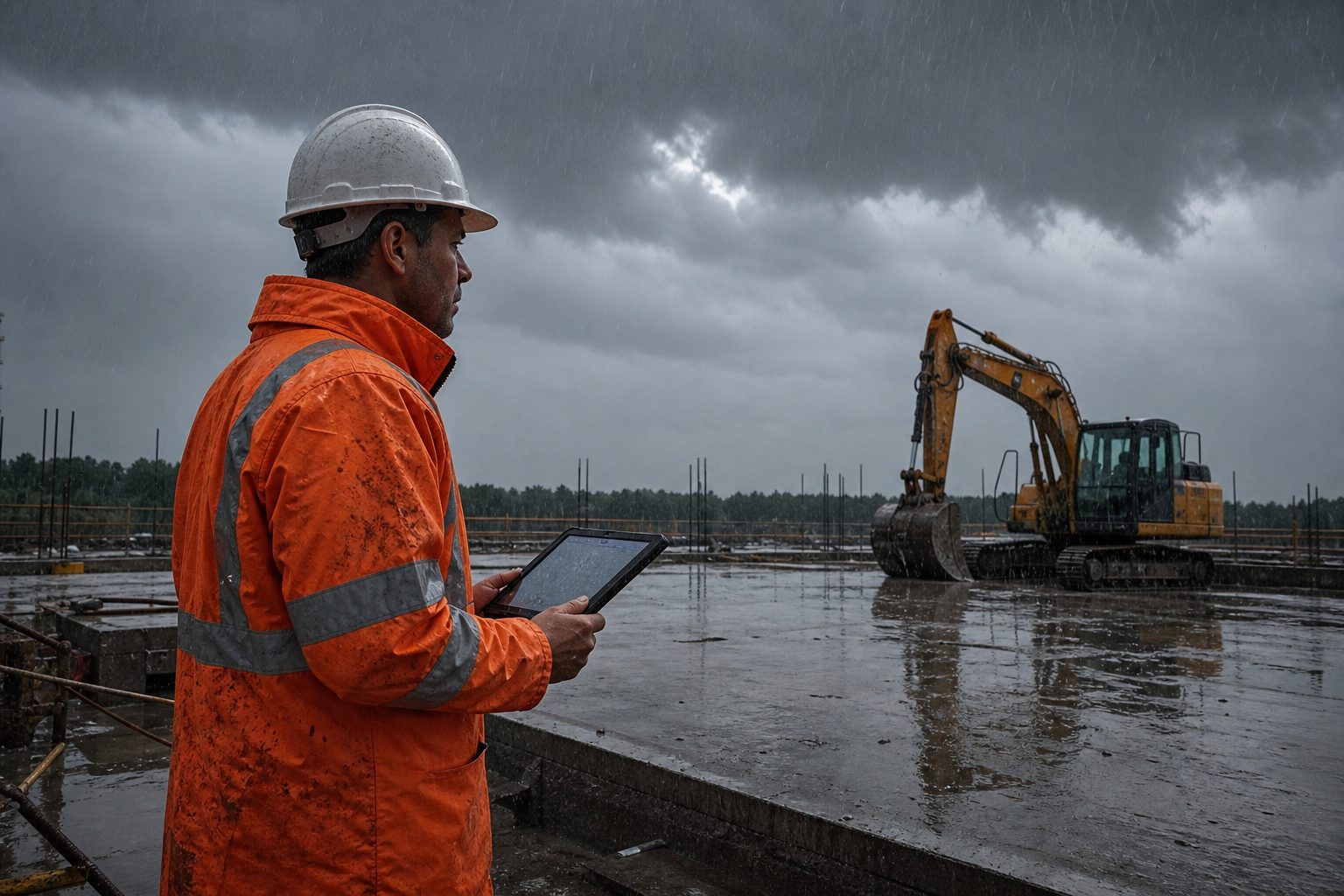
Weather delays almost always fall into the "excusable, non-compensable" category. That means weather usually buys time, not money. However, the way a contractor documents and notifies the owner about these delays is critical. Each standard contract defines notice procedures and what must be shown to qualify for a time extension, and these details directly affect whether the days are granted or denied.
The three main contract families, AIA, ConsensusDocs, and federal contracts, each set out rules for weather delay claims. Understanding the differences in how they define, count, and require notice for weather days is essential to avoid lost claims or disputes over liquidated damages.
Keep reading: Weather Data for Delay Claims: ASOS, Site Gauges and NOAA Records
AIA A201 Section 8.3 and the twenty one day claim window
The AIA A201 General Conditions document is widely used in private commercial projects. Section 8.3 covers delays, including those caused by adverse weather. To qualify for a time extension under this clause, the contractor must prove that the weather experienced was both "adverse" and "not reasonably anticipated." This requires a comparison to historical weather data for the location and time of year, which means documenting not just the date, but the actual conditions and how they exceeded norms.
The A201 sets a strict notice requirement. The contractor must submit a written claim for additional time within twenty one days after the delay occurs. If a storm hits on March 1, the clock starts ticking that day. The notice must go to the architect, not just the owner, and it should detail the nature of the delay, its impact on the schedule, and the number of days requested. Failing to provide notice within the window can bar the contractor's right to a time extension, regardless of how severe the weather was.
Supporting the claim
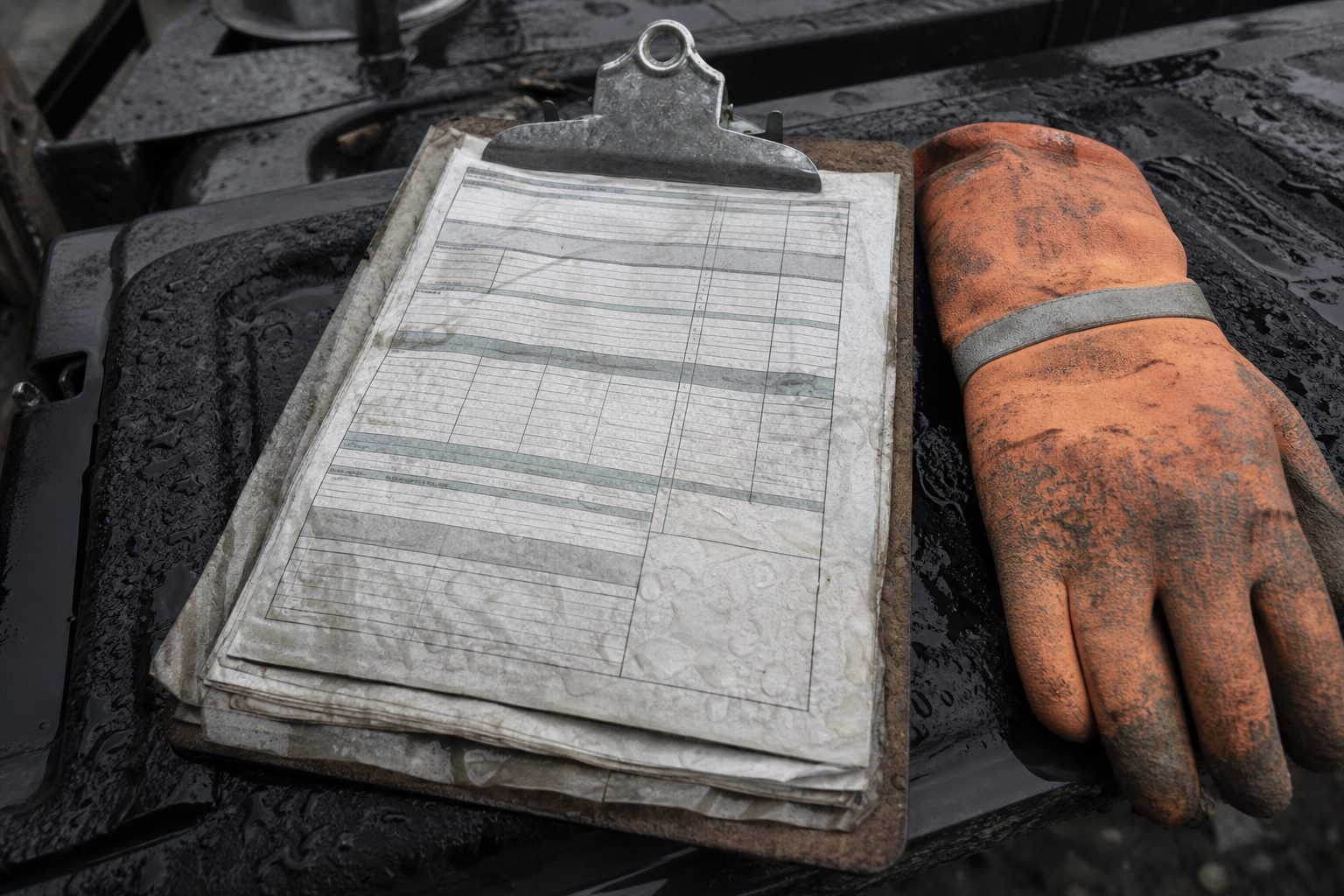
It is not enough to say weather caused a delay. The contractor must show the specific activity affected, why work could not proceed, and that the project was otherwise on track. For example, if rain stopped concrete pours, the log should identify the area, the crew, and the days lost. Jobsite logs, weather station data, and daily reports are standard proof.
ConsensusDocs 200 and how its notice language differs
The ConsensusDocs 200 is an alternative to the AIA family, with a similar structure but important differences in notice and documentation. Under ConsensusDocs, the contractor has only fourteen days from the start of the delay to provide written notice. This is a shorter window than A201, and it starts with the first day the delay is known, not when the weather event ends.
ConsensusDocs uses the term "adverse weather conditions reasonably anticipated," similar to A201, but the clause emphasizes prompt communication. The notice must describe the delay, its expected duration, and any mitigation steps taken. If the contractor waits too long, the owner or construction manager can deny the claim for being late, no matter the validity of the weather event.
Key differences in burden of proof
ConsensusDocs explicitly requires the contractor to demonstrate that the weather was unusual for the locality and season. This often means including National Weather Service data or third party records with the notice. Contractors are also encouraged to update the owner if the duration or impact of the delay changes, so documentation should be continuous, not a one-time effort.
Keep reading: Eight Daily Report Habits That Get Weather Days Denied
EJCDC C-700 on adverse weather and time extensions
The Engineers Joint Contract Documents Committee (EJCDC) C-700 General Conditions are common on public infrastructure and municipal projects. Section 12.03 of C-700 addresses delays, including adverse weather. The language here is slightly more generous: contractors are entitled to extensions for delays "caused by circumstances beyond their control," with adverse weather specifically listed.
Notice procedures in C-700 require the contractor to notify the owner and engineer "promptly" after becoming aware of the delay. While "promptly" is not numerically defined, most owners and engineers expect written notice within a few days. Waiting several weeks often results in a denied claim or at least a dispute at closeout.
Once notice is given, the contractor must submit evidence that the weather was abnormal and that it directly delayed critical path activities. The contract may require supporting data, such as daily logs, photographs, or weather service printouts. C-700 generally allows for time extensions only, not compensation, unless the delay is caused by the owner or another listed source.
FAR 52.249-10 and the unusually severe weather standard
Federal construction projects are governed by the Federal Acquisition Regulation (FAR), specifically clause 52.249-10 for fixed price prime contracts. This clause sets a higher bar for weather delay claims. Time extensions are permitted only for "unusually severe weather," which must be demonstrated to exceed the norm for the site and season. Routine rain or snow is not enough, only extreme events count.
FAR requires the contractor to provide written notice "as soon as practicable" after the delay occurs. There is no set number of days in the clause, but most contracting officers expect notice within a few days to a week of the event. Delays in providing notice risk denial of the claim.
Federal documentation standards
The burden of proof under FAR is high. Contractors must supply authoritative records, such as NOAA reports, and show that the weather directly prevented work on the critical path. The claim must link the weather event to specific activities, explaining why work could not be resequenced or rescheduled around the delay. FAR projects also require careful coordination with contracting officers, who must be kept informed throughout.
See how RainDelayLog handles this for commercial construction
What counts as written notice, and who has to receive it
All major contract forms require written notice of a weather delay, but what "written" means has shifted over time. Traditionally, this meant a formal letter, often delivered by certified mail. Today, email is commonly accepted, but the contract's own language rules. Some owners insist on notices through their project management platforms, such as Procore or e-Builder. Others accept faxes, scanned PDFs, or even entries in electronic daily logs, if the contract recognizes these as notice.
Contracts usually specify who must receive the notice. In AIA A201 projects, the architect is the key recipient, with a copy to the owner. ConsensusDocs and EJCDC often require notice to both the owner and the engineer or construction manager. Federal contracts direct notice to the contracting officer. Sending notice only to a superintendent or field inspector does not satisfy these requirements and can lead to disputes.
It is critical to check both the general conditions and any supplementary provisions for notice rules. If the contract requires a specific address, subject line, or portal for claims, contractors should follow those directions exactly. Otherwise, they risk having the notice declared invalid, regardless of when it was sent.
Owner supplements that quietly shorten the clock
Many public and private owners issue supplementary conditions or "Division 1" sections that override the notice provisions in the standard forms. These supplements often shorten the time allowed for delay notice, sometimes to as little as two or three days. Some require notice of a potential delay, not just an actual delay, which means contractors must communicate as soon as they suspect a weather impact.
Supplements may also change who receives notice or require the use of specific forms. For example, a state agency may require contractors to use a template notice with fields for date, weather type, affected activities, and backup documentation. Others may require daily weather logs as a condition for any delay claim.
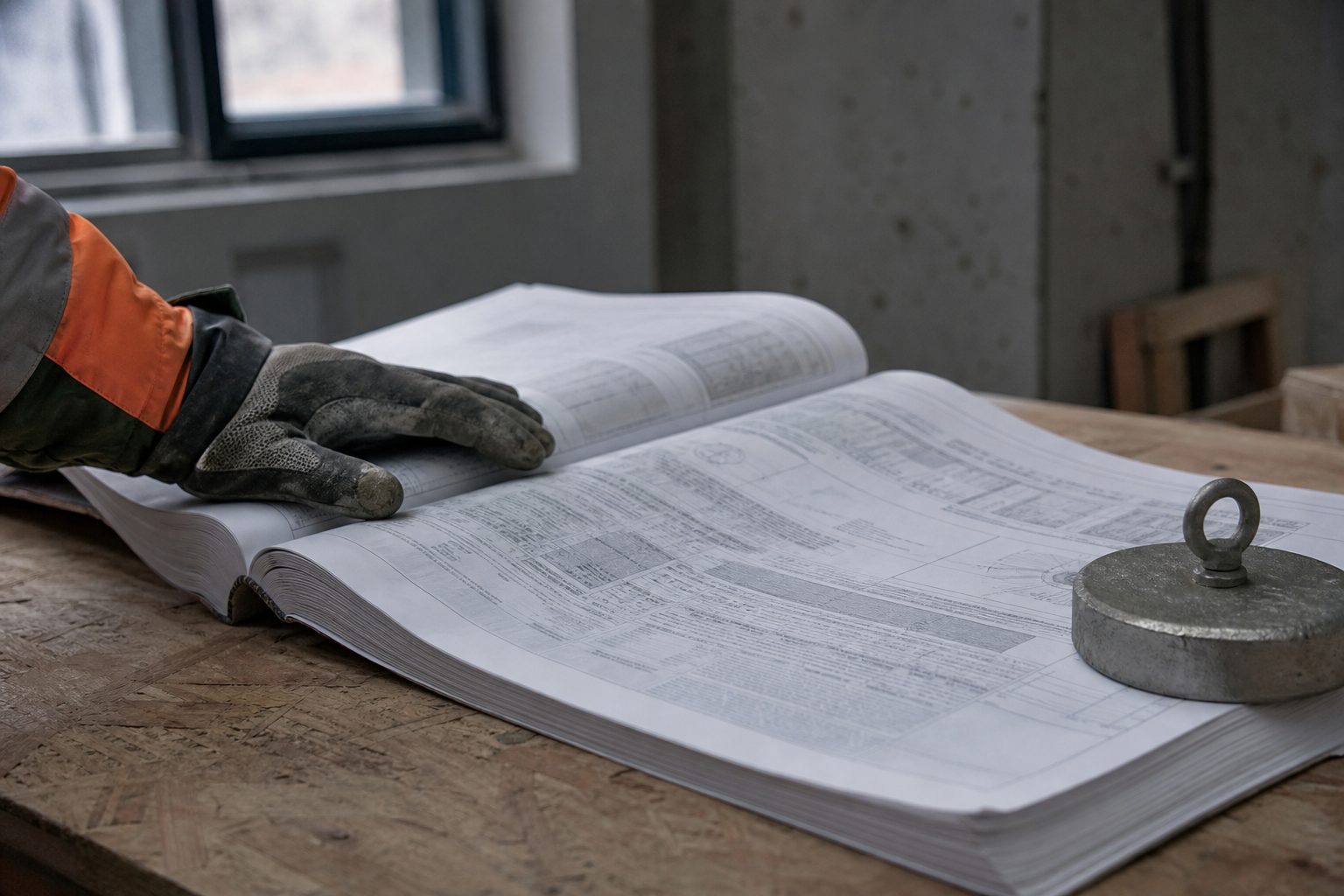
It is common for these supplements to appear in the project manual or specifications, not in the main contract. Contractors should review all bid and contract documents to identify any special requirements, as missing a short notice window can forfeit the right to a time extension, even if the delay was beyond anyone's control.
Keeping proof that notice was served inside the window
The entire process of weather delay claims depends on evidence: proof that weather occurred, proof that it caused a delay, and proof that notice was timely and properly delivered. Contractors should keep a clear, dated record of all notices sent, including the recipient, method of delivery, and content. Email read receipts, certified mail slips, and electronic logs all serve as supporting documentation.
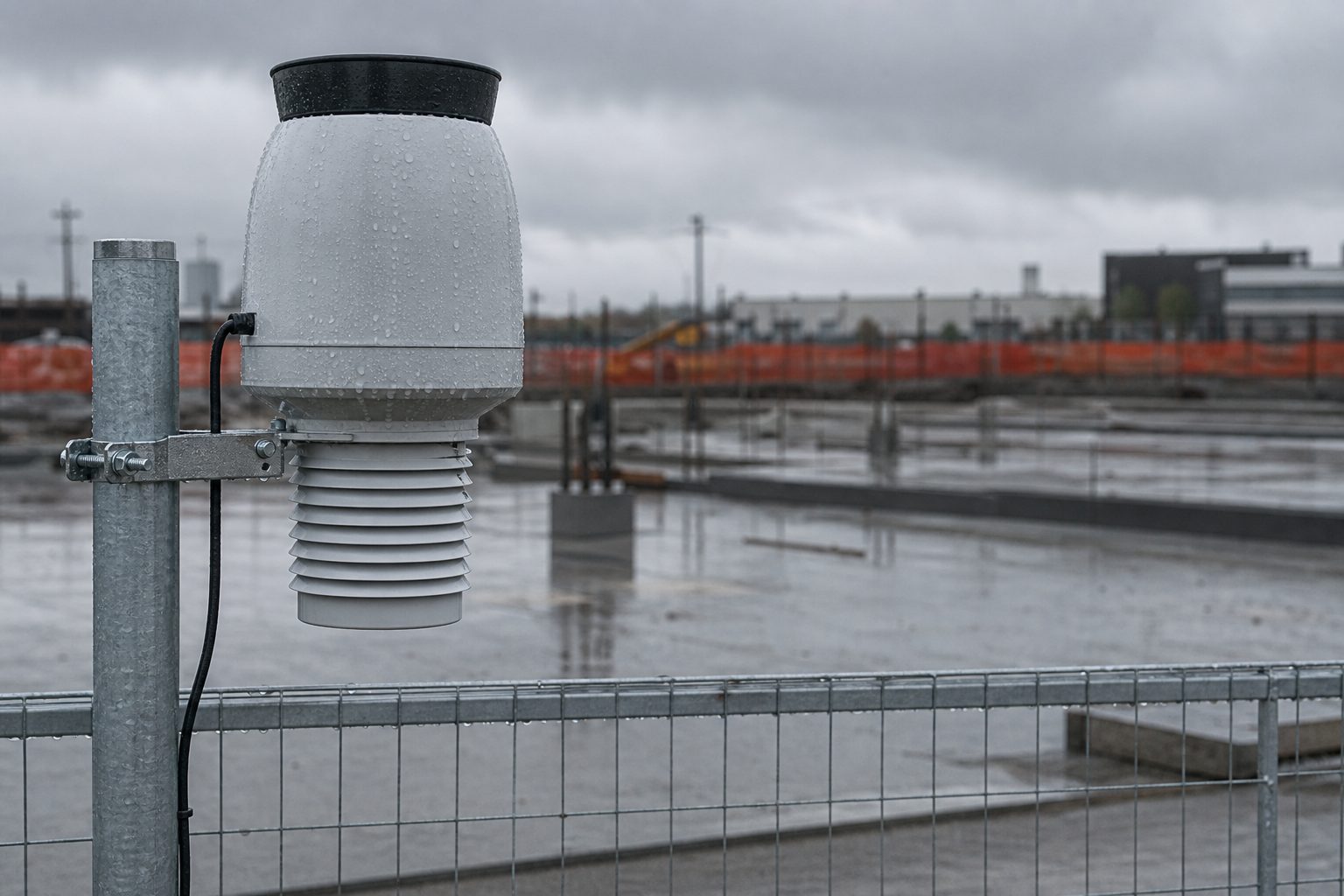
Daily site logs that automatically pull weather data from a known source can make this much easier. By capturing temperature, precipitation, and wind conditions directly from a weather station, and linking those records to specific delay notices, contractors can show exactly what happened and when. When these records are bundled into organized packets, they can be presented quickly if a claim is challenged months or years later.
With stricter notice rules and shorter deadlines in many contracts, having a robust system for capturing, storing, and transmitting delay notices is no longer optional. Tools that combine daily logs with weather data and create defensible documentation packets help contractors and superintendents meet contract requirements, avoid disputes, and protect their time extensions when weather turns against the project.